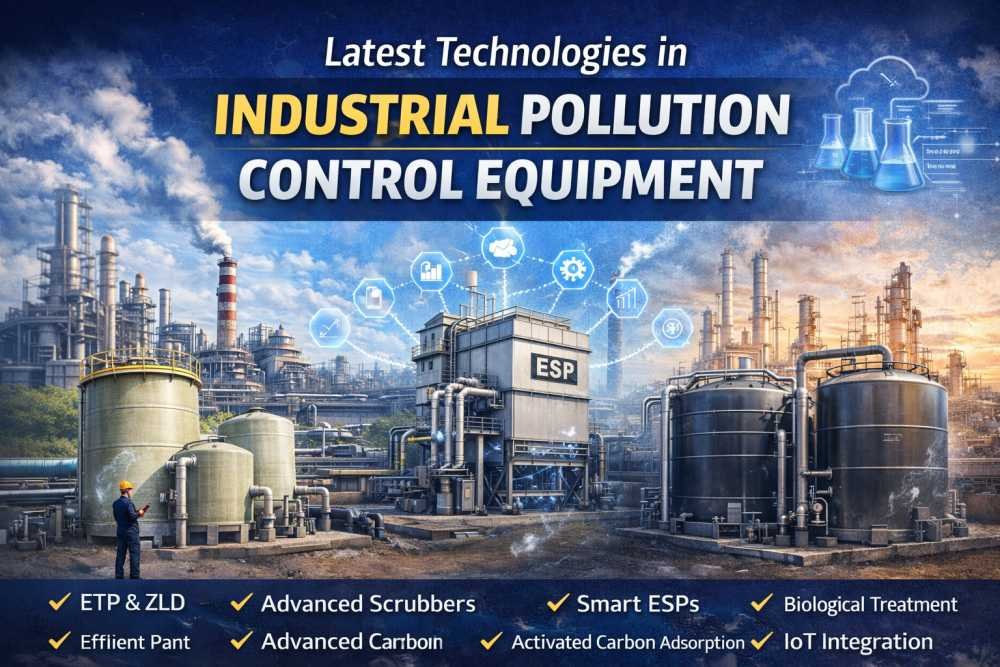
Latest Technologies in Industrial Pollution Control Equipment
Industrial growth has brought significant advancements in manufacturing and infrastructure—but it has also increased air, water, and soil pollution. To meet stricter environmental regulations and sustainability goals, industries are rapidly adopting advanced pollution control technologies.
Modern industrial pollution control equipment is no longer just about compliance; it focuses on efficiency, automation, energy savings, and environmental responsibility. This blog explores the latest technologies used in industrial pollution control equipment and how they are transforming industrial operations.
Why Modern Pollution Control Technologies Matter
Industries today face:
- Stringent environmental regulations
- Rising environmental compliance costs
- Growing public and corporate sustainability pressure
- Need for efficient resource utilization
Advanced pollution control systems help industries:
- Reduce emissions effectively
- Improve operational efficiency
- Lower long-term operating costs
- Achieve regulatory compliance with ease
Latest Technologies in Industrial Pollution Control Equipment
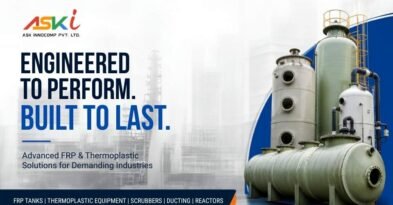
Advanced Wet Scrubber Technology
Wet scrubbers have evolved significantly with improved designs and materials.
Latest Advancements:
- High-efficiency venturi scrubbers
- Multi-stage scrubbing systems
- FRP-lined scrubbers for corrosion resistance
- Automated chemical dosing and pH control
Applications:
- Chemical plants
- Fertilizer industries
- Power plants
- Acid gas removal systems
These systems efficiently remove acidic gases, particulate matter, and toxic fumes from industrial exhaust streams.
Electrostatic Precipitators (ESP) with Smart Controls
Modern ESPs are integrated with digital control systems to improve dust collection efficiency.
Key Features:
- High-voltage microprocessor-based controllers
- Real-time emission monitoring
- Improved electrode designs
- Energy-efficient power supplies
Benefits:
- Up to 99% particulate removal efficiency
- Reduced power consumption
- Stable performance under variable loads
Bag Filters and Advanced Fabric Filtration Systems
Fabric filtration technology has advanced with high-performance filter media.
Latest Innovations:
- PTFE membrane filter bags
- Pulse jet cleaning systems
- High-temperature resistant fabrics
- Modular baghouse designs
Industrial Use:
- Cement plants
- Steel industries
- Pharmaceuticals
- Food processing units
These systems are highly effective for fine particulate matter and dust control.
Biological Treatment Technologies for Wastewater
Biological treatment has become more compact and efficient.
Modern Technologies Include:
- Membrane Bioreactor (MBR) systems
- Moving Bed Biofilm Reactor (MBBR)
- Sequential Batch Reactors (SBR)
Advantages:
- High treatment efficiency
- Smaller footprint
- Reuse-ready treated water
- Lower sludge generation
Zero Liquid Discharge (ZLD) Systems
ZLD technology ensures no wastewater discharge from industrial plants.
Core Components:
- Advanced ETP
- Reverse osmosis (RO)
- Multiple-effect evaporators (MEE)
- Crystallizers
Industries Adopting ZLD:
- Textile and dyeing units
- Chemical and pharma industries
- Power plants
ZLD systems help industries comply with strict water pollution norms while enabling water reuse.
Activated Carbon Adsorption Systems
Activated carbon systems are widely used for VOC and odor control.
Applications:
- Solvent recovery
- Paint and coating industries
- Pharmaceutical manufacturing
- Food processing plants
These systems efficiently remove volatile organic compounds and harmful gases from air streams.
Automation & IoT-Based Pollution Control Systems
One of the most significant advancements is digital integration.
Smart Features:
- IoT-enabled emission monitoring
- Real-time data analytics
- Automated alarms and reporting
- Remote system operation
Benefits:
- Predictive maintenance
- Reduced human error
- Improved compliance tracking
- Energy optimization
Advantages of Adopting Latest Pollution Control Technologies
- ✔ Higher pollution removal efficiency
- ✔ Lower operating and maintenance costs
- ✔ Improved environmental compliance
- ✔ Enhanced sustainability performance
- ✔ Longer equipment life
Future Trends in Industrial Pollution Control
Looking ahead, pollution control systems will focus on:
- AI-based emission optimization
- Energy recovery from waste
- Compact and modular systems
- Integration with smart manufacturing
Industries that adopt these technologies early gain a competitive and regulatory advantage.
Conclusion
The latest technologies in industrial pollution control equipment are transforming how industries manage emissions and waste. From advanced scrubbers and ESPs to ZLD systems and IoT-enabled monitoring, modern solutions provide efficient, sustainable, and cost-effective pollution control.
Industries investing in these technologies not only ensure regulatory compliance but also contribute to a cleaner and greener future.